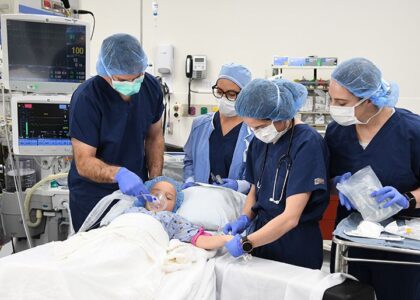
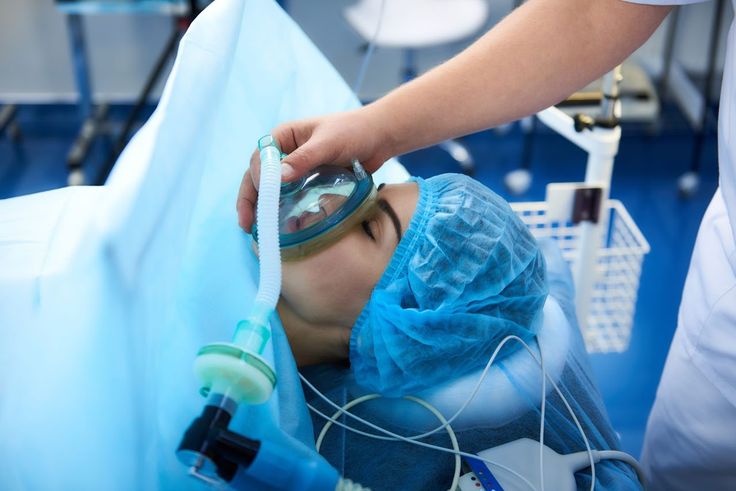
General anesthesia is a common and safe method used to ensure patients are unconscious and pain-free during surgical procedures. Understanding what to expect before, during, and after anesthesia can help reduce anxiety and ensure a smoother surgical experience. At Nadeau Private Anesthesia, we prioritize patient safety, comfort, and personalized care at every step.
Before General Anesthesia
1. Pre-Operative Assessment
Before surgery, your anesthesiologist will conduct a thorough pre-operative assessment. This includes:
- Reviewing your medical history, allergies, and previous anesthesia experiences.
- Evaluating current medications and conditions such as heart disease, diabetes, or respiratory issues.
- Ordering necessary lab tests or imaging studies to ensure your safety.
2. Preparing Mentally and Physically
- Fasting Guidelines: Typically, patients are asked not to eat or drink for 6–8 hours before surgery.
- Medication Instructions: Certain medications may need to be paused or adjusted.
- Addressing Anxiety: Your anesthesiologist may discuss sedation options to help you relax before the procedure.
3. Discussing the Plan
You’ll have the opportunity to ask questions about anesthesia, including:
- Type of anesthesia planned
- Expected effects during and after surgery
- Pain management strategies post-operation
During General Anesthesia
1. Entering the Operating Room
Once you arrive at the operating room:
- You will be connected to monitors tracking heart rate, oxygen levels, blood pressure, and breathing.
- An intravenous (IV) line is usually inserted to deliver anesthetic medications.
2. Induction
- General anesthesia is induced via IV medications and/or inhaled gases.
- Within minutes, you will be fully unconscious and unaware of the procedure.
3. Monitoring
- Your anesthesiologist continuously monitors your vital signs, oxygen levels, and anesthesia depth.
- Adjustments are made as needed to maintain stability and safety.
4. Surgical Procedure
- While you are under anesthesia, the surgical team performs the procedure with minimal discomfort or awareness.
- Airway management is maintained to ensure proper breathing throughout surgery.
After General Anesthesia
1. Recovery Room (Post-Anesthesia Care Unit)
- After surgery, you will be moved to a recovery area where trained staff monitor your vital signs.
- You may feel drowsy, groggy, or disoriented as the anesthesia wears off.
2. Managing Side Effects
Common, temporary side effects may include:
- Nausea or vomiting
- Sore throat from airway devices
- Mild shivering or dizziness
Your anesthesiologist and nursing team provide medications and support to reduce discomfort and promote safe recovery.
3. Discharge Instructions
Before leaving the hospital:
- You will receive instructions for medication, diet, activity, and follow-up care.
- A responsible adult is usually required to escort you home if outpatient surgery was performed.
Tips for a Smooth Anesthesia Experience
- Follow fasting and medication instructions carefully.
- Communicate openly about your medical history, medications, and anxiety.
- Ask questions about pain management and recovery expectations.
- Arrange support for transportation and post-surgery care.
Why Choose Nadeau Private Anesthesia
At Nadeau Private Anesthesia, we combine expert anesthesia care, advanced monitoring, and compassionate patient support to make every procedure safe and comfortable. Our goal is to ensure you feel informed, confident, and cared for from pre-operative assessment through full recovery.
Schedule a consultation today to discuss anesthesia options and prepare for your surgery with confidence.