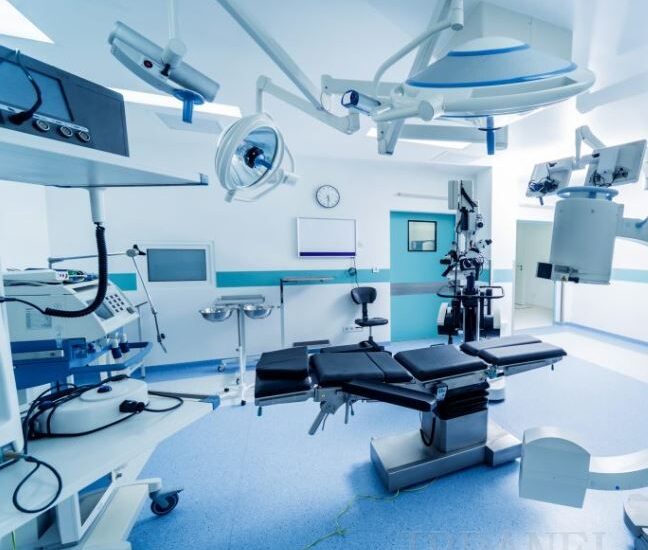
In modern healthcare, anesthesia relies on specialized equipment to ensure patient safety, comfort, and successful surgical outcomes. From monitoring vital signs to delivering precise anesthetic agents, these tools are indispensable in hospitals and surgical centers. Here are the top 10 essential pieces of equipment in anesthesia practice:
1. Patient Monitors
Patient monitors track vital signs such as heart rate, blood pressure, oxygen saturation, and respiratory rate during surgery. For anesthesiologists, continuous monitoring is critical to detect changes in a patient’s condition in real time, allowing for immediate intervention and safe anesthesia management.
2. Anesthesia Machines
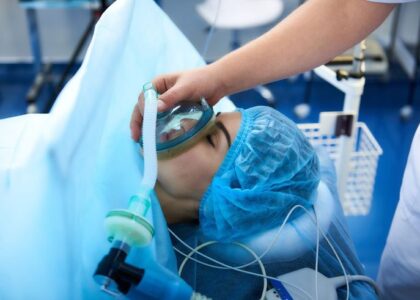
Anesthesia machines are at the heart of modern surgical care. They deliver precise mixtures of anesthetic gases and oxygen, ensuring patients remain unconscious, pain-free, and stable throughout procedures. Advanced anesthesia machines also integrate ventilation and monitoring systems for safer operations.
3. Infusion Pumps
Infusion pumps administer medications, including anesthetics, analgesics, and fluids, with exact dosing. This reduces the risk of human error, ensures smooth anesthetic delivery, and helps maintain hemodynamic stability during surgery.
4. Defibrillators
During anesthesia, patients are carefully monitored for cardiac events. Defibrillators are vital emergency devices used to restore normal heart rhythm during sudden cardiac arrest, ensuring patient safety in critical surgical situations.
5. Ventilators
Ventilators provide mechanical breathing support for patients under general anesthesia or those unable to breathe independently. They are essential in operating rooms and ICUs, maintaining proper oxygenation and respiratory function during surgery.
6. Syringe Pumps
Syringe pumps deliver small, precise doses of anesthetic agents or pain medications over a controlled period. They are especially useful in procedures requiring careful titration of sedation or analgesia, ensuring patient safety and comfort.
7. Pulse Oximeters
Pulse oximeters measure oxygen saturation in the blood and are a standard tool during anesthesia. They allow anesthesiologists to detect early signs of hypoxia and intervene immediately, preventing complications during surgery.
8. Laryngoscopes and Airway Devices
Safe airway management is critical in anesthesia. Laryngoscopes, endotracheal tubes, and other airway devices help secure a patient’s airway, allowing anesthesiologists to maintain ventilation and administer anesthetic gases safely.
9. Infusion and Monitoring Accessories
From blood pressure cuffs and ECG electrodes to IV cannulas and capnography sensors, these accessories support accurate monitoring and precise medication delivery, which are fundamental for anesthesia safety.
10. Suction Machines
Suction devices are crucial during anesthesia to clear secretions from the airway, preventing aspiration and maintaining patient safety during surgery. They are standard in all operating rooms and critical care settings.
Conclusion
Anesthesia is only as safe and effective as the equipment supporting it. High-quality, well-maintained devices—from anesthesia machines to monitoring and airway tools—ensure patient safety, precise drug delivery, and successful surgical outcomes.
Looking to upgrade your anesthesia setup or learn more about critical perioperative equipment?
Contact Nadeau Private Anesthesia today for expert guidance and professional support.